

Owner-operators and trucking companies are bearing hundreds of dollars in additional costs due to the dramatic increase in fuel prices over the past month due oil supply disruptions caused by the war in Iran. According to GlobalPetrolPrices.com, the price per litre of diesel in Canada was about $2.12 for the data period ending March 16th, 2026. That's a 29% increase from a month ago, and a jump of 43% over the last three months. According to the same website, diesel prices in Manitoba, as of March 16th, averaged $1.95/litre.
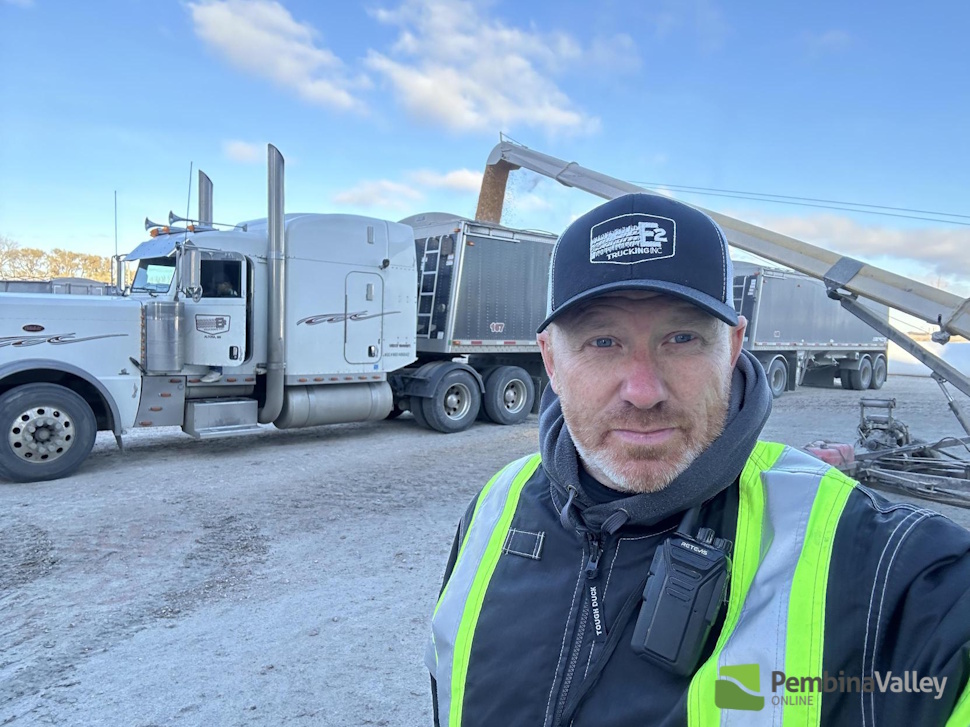
"It's putting the squeeze on in a short timeline," said Evan Erlandson Owner and President of E2 Trucking. "In the last month, we've seen diesel prices locally increase about 35 cents a litre. 35 cents doesn't sound like a lot, but when it's your single biggest expense on a monthly basis, it starts to become a big number."
To provide some context, he said an operator running their truck 9,000 miles in a month, getting a little better than 6 miles per gallon, the upswing in fuel prices translates to about $2,000 a month in additional costs.
"What's happened in the last 30 days is if there was any meat left on the bone, previously, that's gone," said Erlandson reflecting on what the increase costs mean for margins. "It's the truckers and the trucking companies that have borne the brunt of that immediately. It takes time for the rates that most trucks are running for to reflect those higher fuel prices."
He stressed, at the moment, the brunt of the fuel prices increase is being carried by the trucks on the road.
"There's no question about it and no way around it," Erlandson added.
Related Stories:
- Global tensions could impact local farms as seeding season approaches
- Gas prices rise as Iran tensions shake global oil markets
What does this mean for consumers?
Erlandson noted North American supply chains are quite resilient, and inventory in store at yesterday's prices, will be worked through before any potential price increases appear on shelves.
"But there's very little excess in our supply chains today, and so I would say we'll start to see increases in costs, not just at the gas station or the diesel pump, but at the grocery stores or the equipment dealer, you name it," he said. "There's no way around a cost increase of this magnitude in moving anything around. Everything we purchase has been freighted."
Going back to the example he provided, and the approximately $2,000 per month increase in fuel costs, Erlandson stressed that's a massive jump.
"I don't like to be the bearer of bad news, but it's not going to surprise anybody to start to see these things make their way to the price on the shelf in the store," he added. "Really, that's the only way you keep the trucks moving, the ships moving, the containers arriving, the bulk commodities moving. Like I said, there's really no way around it."
Show support for truckers
Erlandson said reaching out to friends and family in the industry to let them know you are aware of the challenges they are facing is an excellent way to show support.
"At the moment, tell your owner operator friend you're thinking of them, and you do care about their bottom line," he said. "The people involved in the freight business that are on the front line of having awkward conversations with their customers about fuel prices and freight rates. Those are never easy things to do, regardless of the side of the conversation you're on, but they have to be had."
He stressed those are stressful times for those people, too.
"So the dispatchers, the logistics coordinators, the drivers, it's everybody in that industry is right on the front line of this, and they're all feeling a measure of stress."
- With files from Robyn Wiebe -














 Tue, Mar 24, 12:30 PM


 Full-time, Education
 Featured